FOR STUDENTS. FOR PARENTS.
Less guesswork.
More direction.
See how LearningP turns an attempt into a useful next step.
HOW IT WORKSTry it. See it. Build on it.
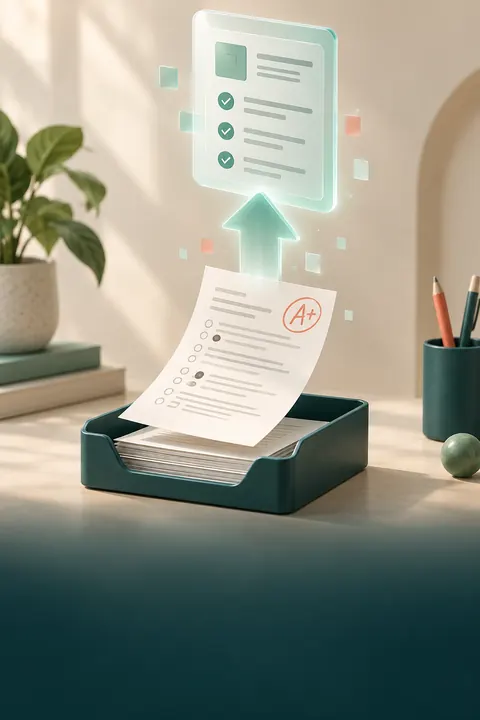
Answer a few questions. See what clicked and what needs another look.
See the steps
- Choose your qualification, subject and exam board.
- Attempt questions, then explore the answer explanations.
- Use your learning heatmap to choose what to practise next.
WHY THIS APPROACH HELPSGive every attempt a purpose.
A missed answer becomes a specific skill to revisit, with a clearer next step.
See the learning cycle
- Start with what you can do on your own.
- Work through the explanation and practise the underlying skill.
- Try again to check your understanding. A short sample is a starting point, not a grade prediction.
THE LEARNINGP DIFFERENCEYour course. A clearer picture.
Course-specific practice and a skill-by-skill heatmap help make progress easier to discuss.
Explore the difference
- Find the exact qualification and exam-board route you study.
- Look beyond a total score to the skills behind each answer.
- Keep first attempts distinct from corrections, so students and parents can see what still needs practice.
See it for yourself.Try three questions from this course. No sign-up needed.
Try it free ↗The details, when you need them.
How does LearningP choose the next Politics topic?
LearningP combines route-specific first-attempt evidence, coverage, recency and repeated misconceptions. A recommendation should explain why the Politics topic has been prioritised rather than relying on one score.
Does LearningP use the same Politics content for every qualification?
No. Politics routes retain the applicable qualification, awarding body, specification, tier, option and assessment structure. Similar topic names do not make routes interchangeable.
Are LearningP Politics questions copied from exam papers?
No. LearningP uses official specifications and assessment materials to map content and demand, while its questions and explanations are independently authored.
Can LearningP predict a Politics grade?
No. LearningP reports practice evidence, coverage, strengths and gaps. It does not guarantee or automatically predict examination outcomes.